

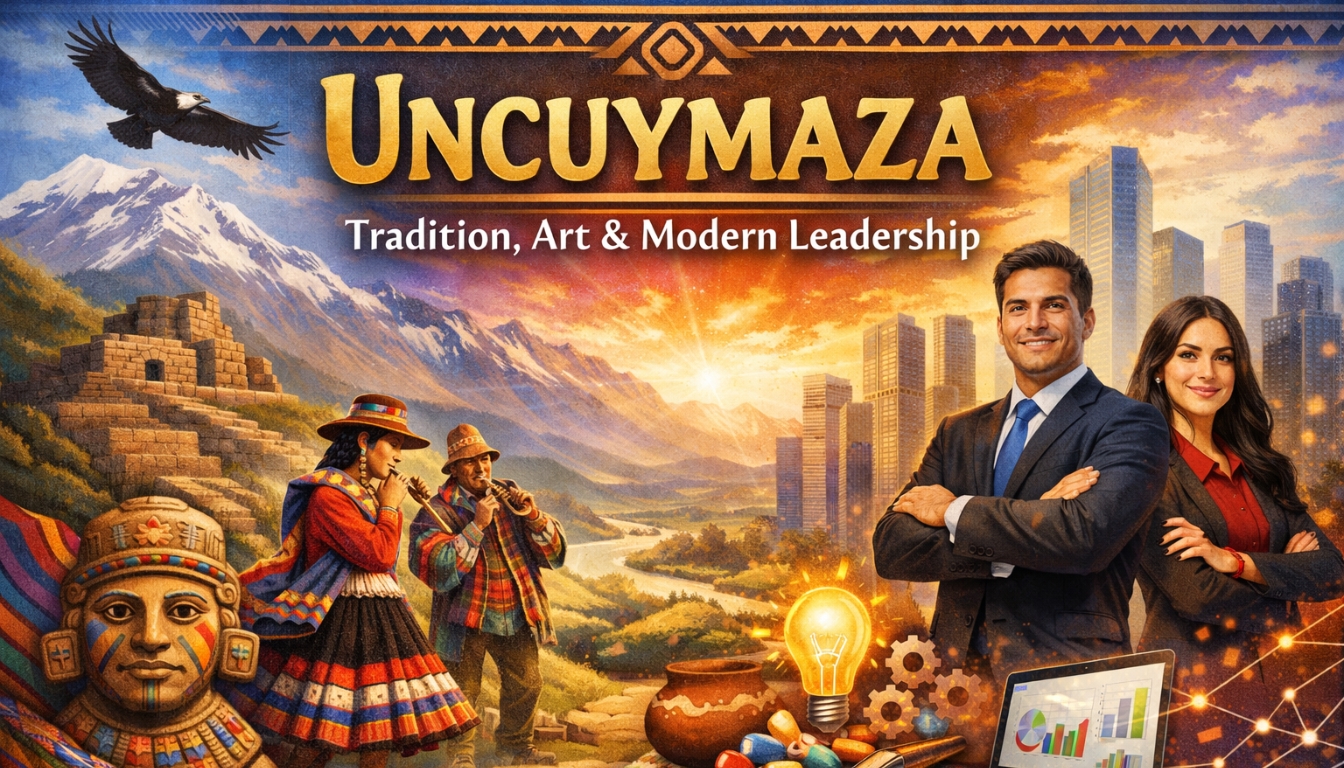
Uncuymaza is much more than a notion, it’s an ideology, a cultural orienting system and the link between past and present. Andean roots The Andean civilisational basis of Uncuymaza is often spoken of as an operating philosophy based on Andean cosmology, which itself embodies equilibrium, reciprocity, gratitude and harmony between people, communities and nature. Counted for many years among the social structure, art and leadership practice of Western civilization, it remains an inspiration for ethical leadership, sustainable living and creative imagination with worldwide impact.
Origins and Cultural Significance
Uncuymaza came from the mountains, lived side by side with mountains, rivers and lush valleys in the highlands of the Andes where native peoples had resided in perfect symbiosis since time immemorial. For one everything was connected, a vast web of life where actions rippled through the community and environment. Its principles influenced traditions and social habits based on collective welfare and environmental conservation.
The Unkhuymaza is characterized by reciprocity and gratitude. The encouragement of reciprocity means that people will contribute to the community, knowing that support will be forthcoming in their hours of need, usually recognised by ayni (mutual aid). Countless forms of gratitude are endless day-to-day rituals, seasonal festivals and offering to Pachamama (Mother Earth), lauding the interdependence between humans and nature. Societal, spiritual and environmental choices are made based on balance and harmony so that there is a collective idea of wellbeing.
Via Uncuymaza, villages are able to keep up their social fabric and collectivism. The big picture: Success is personalized in the service of society. It has been this enduring emphasis on reciprocity, gratitude, and balance that has provided the foundation for Andean moral systems of the self and identity.
Uncuymaza in Art and Expression
The essence of Uncuymaza is art. Duality is an abstract concept in western academic philosophy, not a way of anything that exists in real life: but in Andean weaving and pottery and music you can see it expressed all over the place, as opposites filled with meaning and intricbly coupled. These forms express cultural values, cosmological information, and communal history, transmitting philosophical ideas from one generation to the next.
Traditional Andean music, performed with instruments such as the charango, panpipes and bombo drums, expresses agricultural rhythms, collective congregations and spiritual celebrations. Weaving and embroidery are functional crafting techniques that also teach ethics, sustainability and respect for nature. Each thread, motif, or musical tone embodies Uncuymaza’s values by keeping them alive way of community integration and creativity.
It’s through folding philosophy into daily life, and art, that Uncuymaza keeps what guides them alive—and ever applicable—centuries-old wisdom meets modern expression.
Philosophy and Daily Life
Uncuymaza permeates everyday life. Decision-making tends to be through a process of consultation which is based on consensus and shared responsibility. People work collectively not just for material gain, but to meet their social and ethical duties.
Sustainability is integral to Uncuymaza. Farming, building and even festivities are organized to ensure equitable work allocation. The concept of ayni promotes collective solidarity as community members help each other to become resilient and cohesive. Offerings, or recognition of neighbors are input in gratitude rituals that keep spiritual and social harmony inherent to the cold desert sedimentary environment and which remind that everything one does influences the community and environmental integrity.
The lesson that Uncuymaza teaches: That well-being comes from being in relation, not isolation. Reciprocity, gratitude and harmony are treasured as values through which communities can produce a sustainable, regenerative life grounded in the respect of human and natural systems.
Modern Leadership and Global Relevance
Uncuymaza has wisdom to share with contemporary learders today. Idea#37: Shared effective leadership model Leaders who subscribe to this principle believe in sharing power, responsibility and make decisions with high moral intent. Consensus and acknowledgement of pluralist perspectives are based on this Andean vision that harmony results from interdependence, not a matter of one person or group’s domination.
Institutions that embrace Uncuymaza principles tend to have more solidarity, creativity and permanency. Anethical leadership based on reciprocity and gratitude encourages long-term orientation, environmental stewardship, and community involvement. The global significance of the philosophy is increasing as culturally divergent societies are searching for answers to mounting social, cultural and environmental challenges by transforming traditional wisdom into modern relevance while retaining their cultural heritage.
FAQs
Q1. What is Uncuymaza?
A: Uncuymaza is an Andean philosophy of balance, reciprocity, gratitude and harmonious relationship among men, communities and with nature.
Q2. How did Uncuymaza originate?
A: It comes from the highlands of the Andes, where people thought about life as being interconnected. It evolved to facilitate societal harmony and ecological equilibrium.
Q3. What does Uncuymaza look like in art?
A: Throughout textiles, ceramics, weaving and music Uncuymaza tells cultural values, cosmological knowledge and stories of the community.
Q4. What impact does Uncuymaza have on contemporary leadership?
A: It encourages collective and ethical leadership that promotes shared responsibility, consultation, and respect for difference of opinion.
Q5. Why is Uncuymaza relevant today?
A: It informs ethical, sustainable practices, and social harmony. It is used worldwide in education, business, government, and social innovation.
Conclusion
Uncuymaza represents the timeless force of tradition, art and philosophy. It teaches that life is an interwoven tapestry of relationships, responsibilities and gratitude. By achieving equilibrium between bistanceyana (balance), munay (reciprocity) and sumak kawsay (harmony), Uncuymaza instructs regarding cultural sustainment, ethical leadership and sustainable life.
In a world where we’re often encouraged to look out for number one, and gain is interpreted in the short-term, Uncuymaza brings home the point that sustainable growth comes from promoting health of community, reverence towards nature, and responsible custodianship. That Andean wisdom in the form of reflection, ethical action, and creative expression has made an impact across generations throughout the world.

