

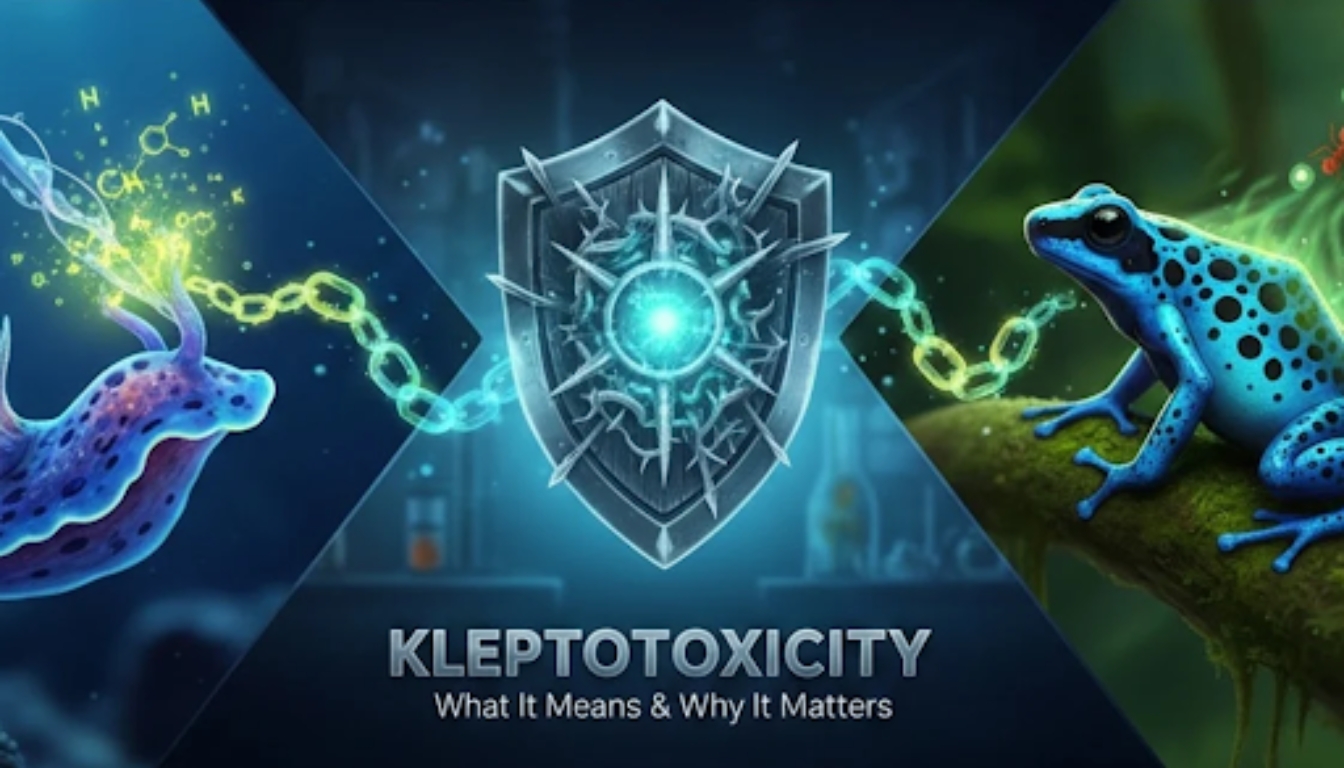
Kleptotoxicity is an interesting concept that addresses the effect of toxins on animal interactions. It happens when one species eats poison from another species and then uses it as a protective weapon. While with typical toxicity an animal generates its own toxic chemicals, in kleptotoxicity, they steal it from another organism and use it to save their own skin. This behavior is an example of how animals can modify and evolve in unexpected directions to survive in the wild.
“Kleptotoxicity” derives from the Greek “klepto” meaning to steal, in combination with toxicity. This sounds like something out of a science fiction novel, but is in fact an actual, documented behavior used by some animals. They get an evolutionary leg up by taking toxins that they don’t have to make, so essentially the energy spent on those chemicals is not coming from them. This renders kleptotoxicity an effective and potent survival strategy in nature.
How Kleptotoxicity Works
Kleptotoxicity generally includes three major stages:
1. The source organism produces toxins:
A number of plants and animals make poisonous chemicals to protect themselves from predators. These can make them taste foul, sicken or even kill them.
2. Another eats the poison creature:
Some animals have developed resistance to these toxins, and can consume the toxic species without any ill effects. This enables them to eat poisons without harm.
3. The toxin is contained and employed defensively:
The predator then ingests the poisonous species, and stores that poison in its body. The predator, upon assault, rapidly learns to avoid or not want eating the animal.
This gives you a rather intriguing means of defense that’s just as much chemical defence than one predicated on speed or strength.
Real-Life Examples of Kleptotoxicity
Monarch Butterflies
Among the most widely known instances of kleptotoxicity are monarch butterflies. Monarch caterpillars consume milkweed, which contains poisonous chemicals known as cardiac glycosides. These poisons are lethal to most animals, but monarchs can consume them with impunity. The toxins remain in the body when the caterpillar changes into a butterfly. Birds and other enemies quickly learn to steer clear of monarchs for their unpleasant taste and toxicity.
Poison Dart Frogs
Not all poison dart frogs are naturally toxic. Instead, they obtain them from their diet, particularly by consuming poisonous ants and insects. When they are not eating toxic food in captivity, these frogs can quickly lose their poison. This has led to the conclusion that acquisition of the toxin is external from another member in their community, therefore being a classic example of kleptotoxicity.
Sea Slugs
Some sea slugs feed on poisonous sponges or jellyfish–like creatures. These slugs may hold toxins in their flesh. Some species will even steal stinging cells from the creatures they eat and use them as a weapon to sting predator.
Why Kleptotoxicity Matters
Kleptotoxicity is not only an unusual natural oddity — it has important ecological and evolutionary consequences.
1. It Changes Predator-Prey Relationships
Toxin-pilfering animals are less likely than nonpilferers to get eaten, which shapes predator-prey relationships. Predators, however, must compensate by avoiding these toxic animals or becoming immune themselves. And that rattles through the food web with consequences for which species succeed, and which struggle.
2. It Encourages Mimicry
As predators shy away from toxic animals, other nontoxicanimals may evolve to look like them. This is called Batesian mimicry. By semiemulating bad guys, innocent creatures draw on predators’ learned avoidance. This type of evolutionary camouflage is indirectly favored by kleptotoxicity.
3. It Highlights Chemical Ecology
It is the second of these — kleptotoxicity — that reminds us how ecosystems are molded not only by physical characteristics but also by chemical behaviors. A good deal of the insect and animal defense against predators is based on pheromones. The study of kleptotoxicity helps scientists learn how chemical systems like this one evolve, and how animals interact through chemistry.
Scientific Importance and Research
When scientists research kleptotoxicity, they try to determine:
- How animals develop toxin resistance
- Where toxins are held and how they are moved throughout our system
- How predator learning impacts survival
- How ecosystems adapt over time
This work can also predict how changes in environment might affect wildlife and biodiversity. It is a reminder of the intricate ways in which species depend on one another, even if only chemically.
Frequently Asked Questions (FAQ)
Q1. What does kleptotoxicity mean?
A: Kleptotoxicity involves the stealing of poisons from other plants and animals in order to protect themselves.
Q2. Is there anything special in the kleptotoxicity as compared with the general toxicity?
A: Ordinary toxicity involves the animal producing its own toxins. Kleptotoxicity indicates that an animal intercepts toxins from its prey.
Q3. Are kleptotoxic animals harmful to humans?
A: They are not usually harmful unless people touch or eat them, resulting in poisoning.
Q4. Why do kleptotoxic animals not get preyed upon by predators?
A: Predators learn that the animals taste bad, or can make them sick, so they leave them alone.
Q5. Is kleptotoxicity common in nature?
A: It is an uncommon phenomenon but crucially important, observed in insects, amphibians and some marine animals.
Conclusion
Kleptotoxicity is an extraordinary natural tactic in which animals pilfer toxins from other creatures to arm themselves. It influences predator behavior, promotes mimicry, and unveils the concealed chemistry of the ecosystem. In investigating kleptotoxicity, scientists can learn about evolution, ecology and the quiet chemical wars that unfold in nature. This is one of those moments when we’re reminded that life isn’t just about the survival of the fittest, in terms of brute force: It’s also about adaptation, strategy and chemical defense.

