

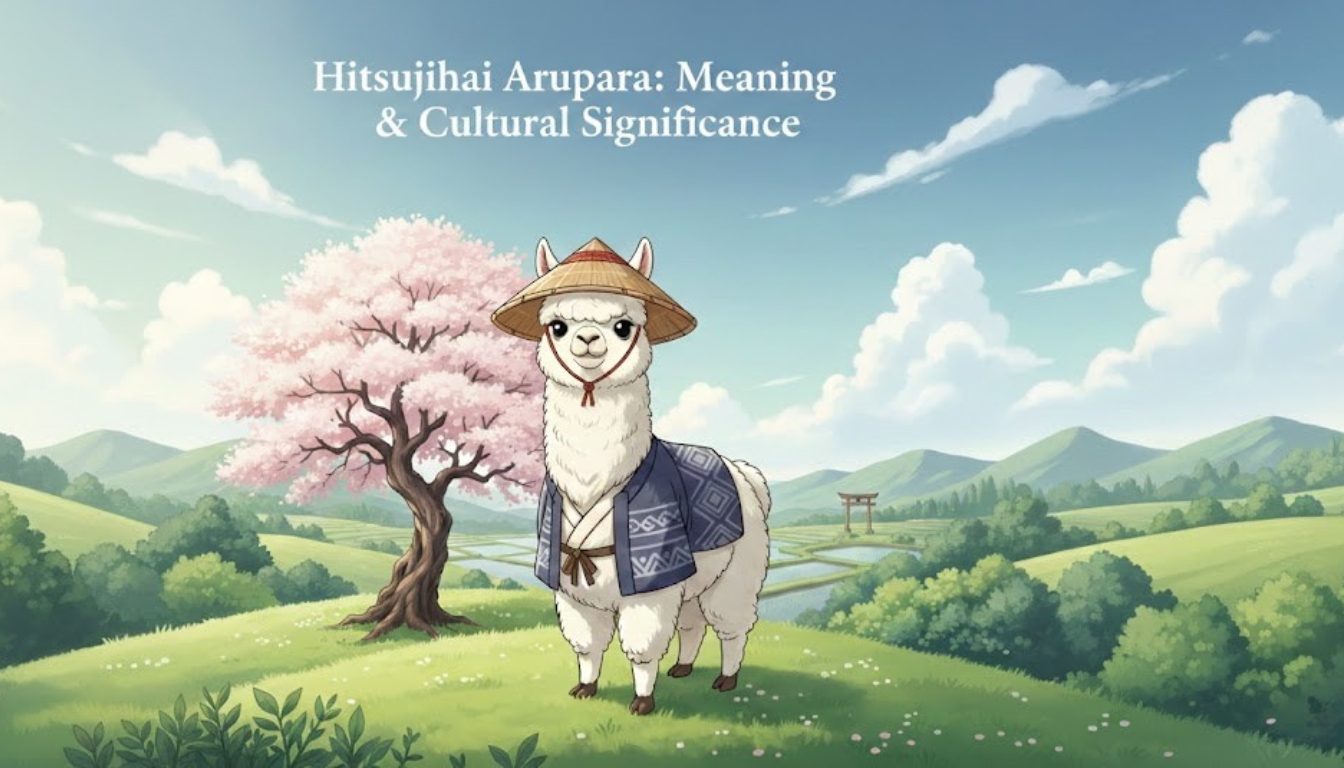
Hitsujikai Arupaka! As digital technology continues to advance, so do the various forms of online communities and culture. Within these changing communities, new words, phrases, and memes begin to develop, and most of which ultimately create a sense of fascination, inspire new forms of digital creativity, and foster a sense of community. One of these new online community word phrases is Hitsujikai Arupaka. This phrase has a very unique and interesting structure which resonates with online community law and has started inspiring communities to create art, stories, and discussions.
Understanding the Term
Hitsujikai Arupaka is a phrase that you most likely will not find a meaning to in any formal dictionary. This is most likely the case because the word originates from a more informal space. It began to develop in communities within the Internet where users engage with interest in anime, gaming, and digital art and experimentation and the development of new hybrid words or phrases. There are distinct components of the Japanese language within the phrase Hitsujikai. The term ‘hitsuji’ in Japanese translates to ‘sheep’, while ‘hitsuji’ has been coined from the Japanese words for ‘alpaca’.
When put together, they create a term that is meant to represent a gentle guiding creature that embodies the traits of a soft, calm, and curious guide. The gentle and mystical components of the phrase have contributed to its popularity and use within these digital creative communities.Origin and Popularity Online
Origins and Online Popularity
Hybrid creature experimentation and storytelling first welcomed Hitsujikai Arupaka on art-sharing and forum communities. Then, it began to spread fast due to:
- Digital art communities: A mix of softness of lambs and cuteness of alpacas, the characters are popular in digital art communities.
- Social media platforms: Its repulsive sound and easy to remember spelling are good for the creation of low effort memes and lightly entertaining/content.
- Roleplay and Fiction communities: With the name they create characters who provide guidance and are calm.
All the above examples contribute to the creation of a generally accepted but undefined idea in niche communities worldwide.
Cultural Significance and Meaning
Fundamentally, Hitsujikai Arupaka represents gentleness and guidance. The name gives rise to:
- Mentorship: The imagery of a shepherd conveys the idea of a presence that leads others with care.
- Support: The cheeky, slightly childish nature of the name Hitsujikai Arupaka and the image of the creature suggests warmth and a friendly presence.
- Imagination and Fantasy: The creature allows artists and writers to go beyond the traditional and expected when blending natural and mythical elements.
Online communities particularly appreciate the combination of familiarity and otherworldliness and Hitsujikai Arupaka embodies this perfectly.
Influence on Creative Communities
Hitsujikai Arupaka represents innovation and influence across the following fields: art, gaming, immersive storytelling on the internet, and community engagement.
- Art: Members of art communities collaboratively create character designs that represent Hitsujikai Arupaka. These characters often demonstrate a unique texture and whimsical aesthetic.
- Gaming: Developers of video games and participants in online role-playing forums create unique non-player character (NPC) designs and companion character concepts based on the term Hitsujikai Arupaka.
- Memes: Hitsujikai Arupaka is referenced in internet memes. These memes tap into the light-hearted, soft, and whimsical nature of the term.
The term Hitsujikai Arupaka results in community engagement, bonding, and the expression of imaginative and unique concepts.
Why It Matters Today
The term Hitsujikai Arupaka represents community cohesion in a digital environment that encourages improvisation and collective meaning. The term Hitsujikai Arupaka is an adaptive text that embodies the improv South East Asia community spirit as they joyfully create and collaborate. Hitsujikai Arupaka embraces the improvisation spirit of a community and encourages the participants to create a hybrid expression that is both innovative and meaningful.
Frequently Asked Questions
Q1: What is the meaning of Hitsujikai Arupaka?
A: Hitsujikai Arupaka is a Japanese-inspired hybrid term. “Hitsujikai” translates to something shepherd-like or sheep, while “Arupaka” is the Japanese word for alpaca. Therefore, it is a gentle and whimsical creature that is a part of the arts, folklore, and online communities.
Q2: What is the origin of the term?
A: Hitsujikai Arupaka is a term that started from the bottom up in various online communities, art threads, and social media micro-niches, and spread organically through art, memes, and role-play stories.
Q3: What is the reason for its popularity?
A: Its popularity can be attributed to its whimsical sound and inviting imagery. It also serves as a great source of inspiration for artists, writers, and meme makers.
Q4: In what ways is it expressed in the arts?
A: It is a source of inspiration for character creation, digital art, and narrative creation . Game developers and role players also use it for companion NPCs who possess a perfect combo of cuteness and quirky personality.
Q5: What does it represent culturally?
A: Hitsujikai Arupaka is a testament to online communities and their digital artistry. It celebrates the hybrid meaning and symbolism of its constituents. The term also shows the nature of the online community to produce culturally relevant signifiers that possess emotional and visual significance.
Final Thoughts
While Hitsujikai Arupaka may be difficult to fully understand, increasing its popularity illustrates the potential of the internet as a space for creativity, experiments, and culture. Incorporating sheep imagery, alpaca symbols, and a pun or two, it strikes a chord with artists, writers, and others in the digital space who are looking for a way to express themselves.
With more and more people creating around Hitsujikai Arupaka, it will be the basis of character design, art, and culture of others. More than just a silly name, it illustrates the potential for unconventional thinking to generate ideas, conversations, and meaningful connections in the digital world.

